

Stable, dependable everyday trainer—comfortable from the first mile; use a runner’s loop to stop heel slip without changing size.
We may earn a small referral fee
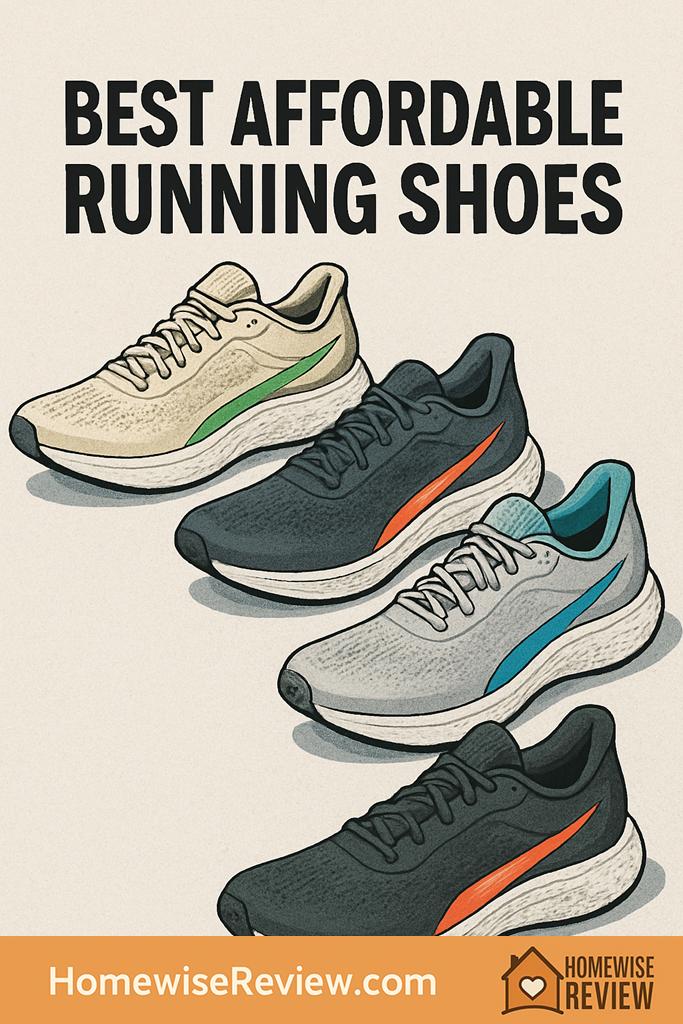
You want a running shoe that feels good from the first mile, not a bargain-bin pair that beats up your feet. These affordable picks balance comfort, durability, and fit so you can run consistently without overspending.
In-depth Reviews
ASICS GEL-Contend 9
- Stable, predictable ride for easy miles
- Comfortable fit that works for many foot shapes
- Durable outsole for road running
- Not very bouncy for faster workouts
- Can feel a bit firm for runners who want plush softness
Saucony Cohesion 17
- Comfortable for walk-run plans and easy jogging
- Smooth transition that feels natural
- Often discounted and easy to find
- Less responsive for speed work
- Fit can feel snug for very wide feet
Nike Revolution 7
- Light, uncomplicated feel for short runs
- Works well for treadmill and cross-training
- Easy to wear all day
- Less cushioning support for longer runs
- Outsole life can be average on rough pavement
New Balance Fresh Foam 680v7
- Comfortable cushioning for steady mileage
- Supportive upper that feels secure
- Plays nicely with many orthotics
- Can feel warm in hot weather
- Not the most energetic ride
adidas Duramo Speed
- Lively feel that encourages faster turnover
- Lightweight for workouts and short races
- Good grip on dry roads
- Less forgiving if you want plush cushioning
- Fit can feel snug through the midfoot for some
Buying Guide
Pro Tip: Make Affordable Running Shoes Feel Custom (and Avoid Blisters)
Use lacing to fix fit before you return the shoe. If your heel slips, try a runner’s loop (heel lock) with the top eyelets, then snug the laces just enough to anchor the ankle without crushing the top of your foot. If the midfoot feels tight, skip one eyelet over the pressure point rather than sizing up and letting the heel float.
Pair the right socks with the right run. Thin, slick socks reduce rubbing for shorter or faster days, while a slightly cushioned sock can make firmer budget midsoles feel more forgiving on long easy runs. If a shoe feels “almost right,” socks are often the difference between fine and frustrating.
Rotate if you can, even cheaply. Alternating two affordable pairs (one for easy miles, one for workouts) often beats grinding one pair into the ground. You give foam more time to rebound between runs and you spot wear patterns sooner, which can help you replace shoes before aches show up.
Worth Knowing Before You Buy
Do not size up just because the fit feels a little off. If your heel slips, use a runner’s loop. If the midfoot feels tight, skip an eyelet over the hot spot. Going bigger in these budget shoes usually trades one small fit issue for a loose heel, rubbing, blisters, and a sloppy hold once you start running.
💡 Editor’s Final Thoughts
Final verdict: If you want the safest, easiest recommendation, start with the ASICS GEL-Contend 9 for its reliable comfort and easygoing ride at an approachable price. If you prefer a snappier feel for faster days, the adidas Duramo Speed is the budget pick that feels most “training-ready.”
See also
For an easy, recovery-friendly upgrade after sweaty runs, check out Best Affordable Spa Shower Upgrades (Heads, Steam, Storage).
- Affordable hair masks that help revive post-run, post-shower hair
- Silk and satin alternatives that reduce frizz and breakage while you sleep
- Makeup brushes that stay soft and don’t shed (even with frequent washing)
- Budget-friendly niche-style fragrances for a polished everyday vibe
Frequently Asked Questions ▾
What price range counts as an “affordable” running shoe?
For most shoppers, affordable means a shoe you can regularly find around the $55 to $90 range without waiting for a rare closeout. That price band is high enough to get real cushioning and a durable outsole, but low enough that you can replace shoes on time instead of stretching them past their useful life.
Can affordable running shoes handle half marathon training?
Yes, as long as the fit is right and the shoe matches your training pace and comfort needs. Many budget models are excellent for easy miles and long runs. If you do a lot of speed work, you may want one “livelier” option in rotation, but you do not need an expensive shoe to build mileage safely.
How often should I replace budget running shoes?
Replace them when cushioning feels flat, you notice new aches that disappear in other shoes, or the outsole is worn smooth in your high-wear spots. Mileage varies by body weight, stride, surfaces, and how you rotate shoes. Instead of chasing a perfect number, pay attention to feel and visible wear.
Do I need stability shoes if I overpronate?
Not always. Mild pronation is normal, and many neutral shoes work well if they fit securely through the midfoot and heel. If you consistently get pain on the inside of the ankle or knee, or you collapse inward a lot, consider a stability model or talk with a running specialty store about options. For many runners, a supportive fit and the right size solve more problems than a “stability” label.
What’s the safest way to choose the right size online?
Start with your most reliable running shoe size, then check whether the model typically runs short, long, narrow, or wide. Aim for a secure heel with enough toe room to wiggle, and avoid “fixing” a too-small shoe with thin socks. When in doubt between sizes, most runners do better with a little extra length than a cramped toe box.
As an Amazon Associate, we earn from qualifying purchases made through links on our site.