

Powerful compact blender for creamy smoothies—works best when you load liquid, soft ingredients, greens, then frozen, and shake if it stalls.
We may earn a small referral fee
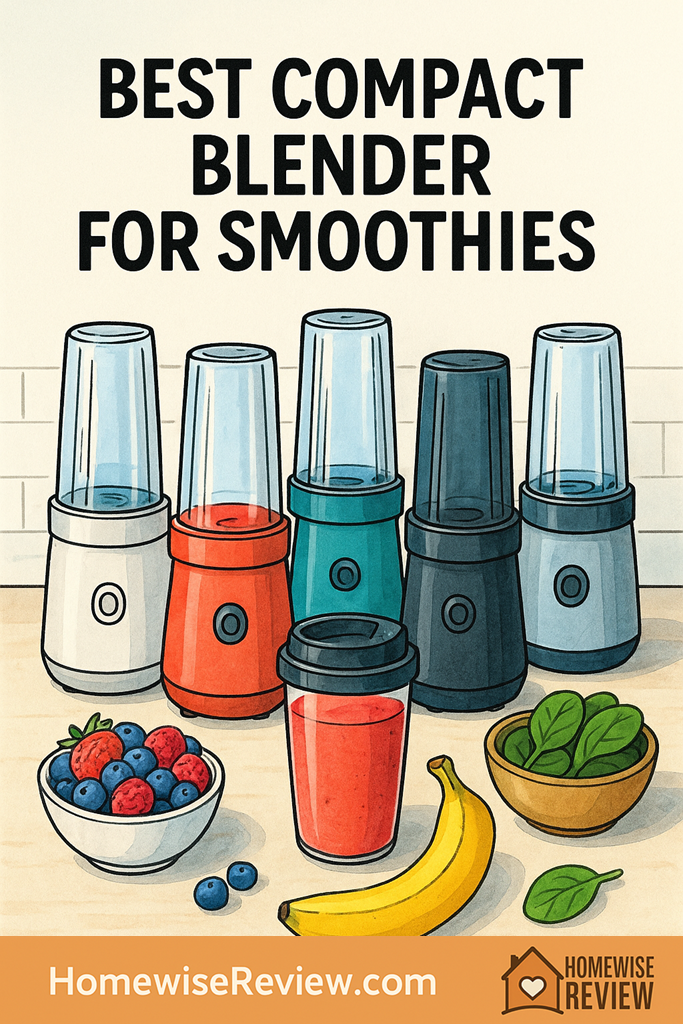
You want smoothies that come out silky, not chunky, and you do not want a full-size blender living on your counter. These compact picks focus on real-world blending power, easy cleanup, and cups you can actually use daily.
In-depth Reviews
NutriBullet Pro 900 Series Personal Blender
- Consistently smooth results for typical smoothie ingredients
- Simple, fast operation with minimal learning curve
- Easy to rinse clean right after blending
- Thick, low-liquid blends can need shaking and re-blending
- Can leave small flecks with very fibrous greens if underfilled
Ninja Nutri-Blender Pro with Auto-iQ (BN401)
- Strong blending performance with frozen ingredients
- Auto programs reduce the need to babysit
- Produces a thicker, more uniform texture with less trial and error
- Noisy during tougher blends
- More nooks around the blades to rinse thoroughly
NutriBullet Ultra Personal Blender
- Smooth, polished results with greens and mixed textures
- More controlled blending experience for repeatable outcomes
- Good stability during harder blends
- Higher overall cost than basic personal blenders
- Still not ideal for ultra-thick, no-liquid blends
Ninja Fit Personal Blender (QB3001SS)
- Great value for simple smoothies and shakes
- Small footprint for tight counters
- Easy operation with no complicated settings
- Struggles more with dense, thick blends
- Often needs more liquid to keep ingredients moving
Ninja Blast Portable Blender
- Cordless convenience for travel, work, and quick shakes
- Easy to stash in a bag and rinse clean
- Good for simpler blends without a full setup
- Not the right tool for heavy ice-crushing or thick smoothie bowls
- Capacity and power limits mean more ingredient prep
Buying Guide
What We Wish We Knew Before Buying a Compact Smoothie Blender
Ingredient order matters more than most people think. With compact cups, you have less room for ingredients to circulate, so a bad load order can trap frozen fruit above the blades. Add liquid first, then soft ingredients (yogurt, banana), then greens, and put frozen pieces on top. If the blender stalls, stop, shake, and restart instead of forcing it to grind.
Make frozen packs and you will get smoother blends with less noise. Pre-portion zip bags or containers with fruit, greens, and add-ins, but keep powders separate so they do not clump. If you like thick smoothies, freeze banana slices and use smaller-cut fruit so the blades can grab quickly. A 2 to 3 minute thaw on the counter can be the difference between “chunky” and “creamy.”
Prevent leaks and lingering smells with a quick routine. After pouring, fill the cup halfway with warm water, add a small drop of soap, and blend briefly, then rinse. Dry the sealing ring and lid fully before storing, especially if you keep the cup sealed in a bag. If a cup starts to smell like old smoothie, a short soak with baking soda and warm water usually resets it.
💡 Editor’s Final Thoughts
Final Verdict: The NutriBullet Pro 900 is the best compact blender for most smoothie drinkers because it hits the sweet spot of blend quality, speed, and easy everyday use. If frozen ingredients are your routine, the Ninja Nutri-Blender Pro with Auto-iQ is the most forgiving when you want thicker blends with less babysitting.
See also
If you are debating blending vs. juicing (or you do both), start with our guide to the best home juicers for green juice and smoothies, then dial in your workflow with kitchen accessories that upgrade your blender setup.
- Kitchen gadgets that truly earn their spot on the counter
- Essential kitchen tools that pair well with compact blenders
- Top time-saving gadgets for busy cooks and small counters
Frequently Asked Questions ▾
How many watts do I need for a compact smoothie blender?
For everyday smoothies with fresh fruit, yogurt, and protein powder, a mid-powered personal blender can work well if you use enough liquid and do not overpack the cup. If you regularly blend frozen fruit, ice, dates, or fibrous greens, stepping up in power and blade design usually makes the biggest difference in getting a smoother texture with less shaking and re-blending.
Can a compact blender really crush ice?
Some can, but results vary a lot. Compact blenders generally do best when ice is paired with plenty of liquid and other ingredients, rather than blending a cup of ice alone. If you want thick, spoonable smoothie bowls or frequent ice-heavy drinks, choose a model known for stronger frozen performance and use short pulses to help prevent stalling.
Why does my personal blender leak when I flip it over?
The most common causes are a mis-seated gasket in the blade assembly, cross-threading the blade on the cup, or residue on the rim that prevents a tight seal. Hand-tighten until snug, avoid over-tightening, and check that the sealing ring is flat and clean. Also make sure you are using the correct lid for the correct cup, since similar-looking parts can fit poorly.
What is the easiest way to clean a compact blender fast?
Rinse right after pouring, then add warm water plus a drop of dish soap and blend for a few seconds. Rinse again and let parts air-dry fully so odors do not linger in the cup or lid. For stubborn smells, a short soak with baking soda and warm water helps, and it is worth cleaning the threads where residue likes to hide.
As an Amazon Associate, we earn from qualifying purchases made through links on our site.