

Stable, waterproof support for uneven, slushy winter trails—pairs well with a little extra toe room and smart sock layering.
We may earn a small referral fee
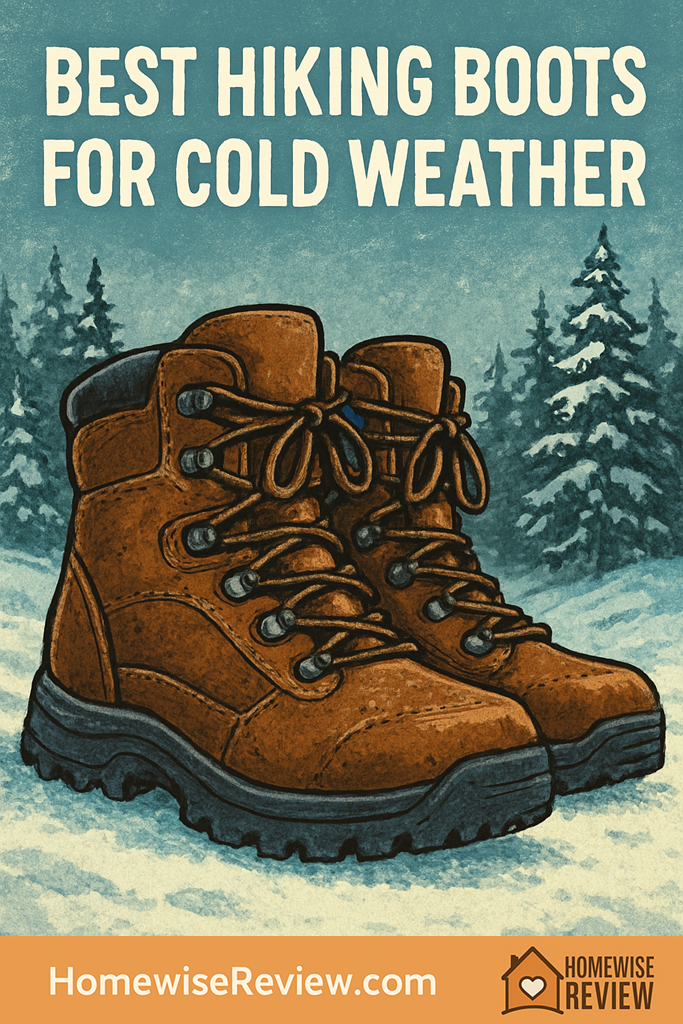
Cold feet, wet socks, and slippery trails can turn a winter hike into a bailout fast. These cold-weather hiking boots are chosen for real warmth, reliable waterproofing, and traction you can trust.
In-depth Reviews
Salomon Quest 4 GORE-TEX
- Very stable feel on uneven winter terrain
- Confident waterproof performance in slush and wet snow
- Supportive for longer miles with a day pack
- Not insulated, so standing around can feel chilly
- Fit can feel snug for wide forefeet
Oboz Bridger 10 Insulated B-DRY
- Noticeably warmer for slow hikes and long breaks
- Tall shaft helps keep snow out with or without gaiters
- Solid underfoot support in churned-up snow
- Heavier and warmer than many hikers need
- Can feel bulky on dry trails
KEEN Revel IV Mid Polar
- Strong grip confidence on icy, compacted trails
- Roomier toe box helps circulation and warmth
- Comfortable for casual to moderate winter hikes
- Less supportive for heavy packs or very rough terrain
- Can run warm for high-output hikes
Lowa Renegade GTX Mid
- Comfortable, steady feel for long days
- Reliable waterproofing for wet, cold trails
- Supportive without feeling overly stiff
- Not insulated for truly frigid temperatures
- Traction is good, but ice can still require spikes
Merrell Thermo Rogue 3 Mid GORE-TEX
- Warm without feeling like a heavy snow boot
- Moves well for faster winter day hikes
- Strong all-around wet-weather protection
- Less ankle support than taller winter boots
- Can be too warm for mild conditions
Buying Guide
Cold-Weather Fit Checklist: Warmth Comes From Space and Circulation
Start with toe space, not thicker socks. A common mistake is stuffing a boot with the thickest sock you own. If that crowds your toes or tightens the forefoot, you lose circulation and get colder. A better setup is a boot with a secure heel and a little extra room up front, then a sock that insulates without overfilling the boot.
Use lacing to manage warmth. On the climb, slightly loosen the forefoot to improve blood flow and reduce sweat buildup. Before long descents, snug the ankle and instep to prevent sliding forward (a major cause of cold toes and blisters). If your boots have locking eyelets, use them to keep the heel planted while leaving the toe box comfortable.
Plan for moisture, because wet equals cold. If your feet sweat easily, bring a spare pair of socks for the drive home or for camp, and pull insoles to air out whenever you can. On very cold days, even a little dampness can make your feet feel frozen in minutes once you stop moving.
💡 Editor’s Final Thoughts
Final Verdict: The Salomon Quest 4 GORE-TEX is the top pick for most cold-weather hikers because it balances support, waterproof confidence, and all-day comfort without feeling like a clunky snow boot. If your hikes involve deeper snow, longer stops, or you simply run cold, step up to the Oboz Bridger 10 Insulated for noticeably more warmth and coverage.
See also
If blisters are your main winter-hiking dealbreaker, don’t miss our best body care for chafing and blisters.
- Anti-chafe sticks and balms that help prevent hot spots on long hikes
- Our RENPHO foot massager review for after-hike recovery
- Road trip essentials that make hiking weekends smoother
Frequently Asked Questions ▾
Do I need insulated hiking boots for cold weather?
Not always. If you’re moving steadily on maintained trails in cool temps, a non-insulated waterproof boot with the right sock system can stay plenty warm. Insulated boots earn their keep when you run cold, take long breaks for photos or lunch, hike in persistent snow, or deal with wind and low temperatures where your feet cool down fast when you stop.
How should cold-weather hiking boots fit with thick socks?
Snug in the heel, roomy in the toe box. Your toes need space to wiggle, because tight boots restrict circulation and make feet feel colder, even with thick socks. Try boots on late in the day (feet slightly swollen), wear the socks you’ll actually hike in, and do a downhill test: if toes tap the front on a ramp or stairs, sizing or lacing needs adjustment.
What socks work best for winter hiking boots?
For most hikers, a midweight merino or merino blend hiking sock is the sweet spot for warmth and moisture control. If you’re blister-prone, add a thin liner sock under a wool sock to reduce friction. Avoid cotton, since it holds moisture and chills quickly. If you’re using insulated boots, consider slightly thinner socks than you think, because too much bulk can compress insulation and reduce warmth.
How do I keep my boots from freezing overnight on a trip?
Drying matters more than you think. Remove insoles at camp and loosen the laces to vent moisture. If temps will drop hard overnight, bring boots into the tent vestibule (if safe and clean) or store them inside a bag to limit freezing. In the morning, put insoles back only after you’ve checked they are dry enough to avoid turning your first mile into a cold, damp slog.
Are winter boots enough for ice, or do I still need traction devices?
Even the best winter outsoles can struggle on hard, glossy ice. If your routes include frozen packed trails, steep descents, or thaw-freeze cycles, plan to carry microspikes or a similar traction device. The right combo is a supportive boot for warmth and stability, plus add-on traction for the days when conditions are truly slick.
As an Amazon Associate, we earn from qualifying purchases made through links on our site.