

Versatile multicooker with a stainless inner pot that delivers fluffy rice, stands up to scrubbing, and soaks clean for easy cleanup.
We may earn a small referral fee
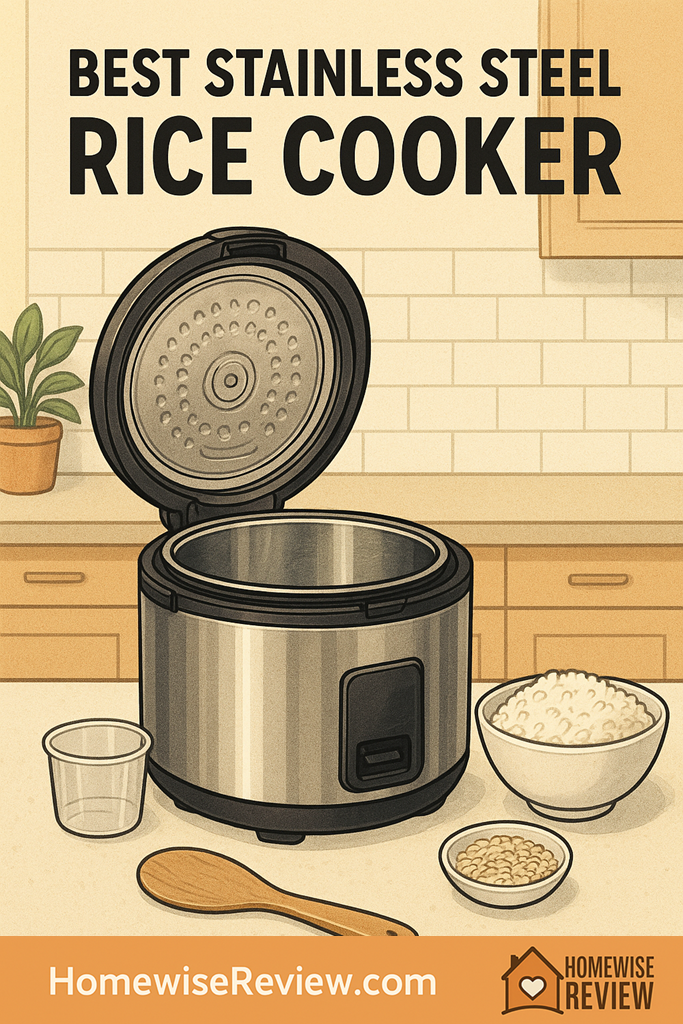
You want fluffy rice without babying a nonstick pot or worrying about scratches. These stainless steel picks make dependable rice and clean up without drama.
✨ 2026 Spotlight
2026 Spotlight: Buyers this year are paying closer attention to pot construction, especially 304-grade stainless interiors, induction-ready bases, and dishwasher-friendly inserts that simplify cleanup after sticky rice and grains. Alongside established favorites like the Instant Pot Duo Plus Multi-Cooker, Aroma Housewares NutriWare Digital Rice Cooker and Food Steamer, Tatung Multifunctional Rice Cooker and Steamer, and Buffalo Classic Stainless Steel Rice Cooker, newer interest is centering on compact stainless models with fuzzy logic cooking, delay timers, and steaming baskets for small kitchens. If you’re comparing options, keep an eye on capacity markings and lid design, since those details can make everyday use noticeably easier.
In-depth Reviews
Instant Pot Duo Plus Multi-Cooker (Stainless Steel Inner Pot)
- Consistently cooks common white rice with minimal fuss once dialed in
- Stainless pot tolerates scrubbing and metal utensils
- Multi-use cooking makes it worth the counter space
- Takes a little experimentation to perfect water ratios for each rice type
- Keep-warm can dry rice at the edges if held too long
Aroma Housewares NutriWare Digital Rice Cooker and Food Steamer (Stainless Steel Inner Pot)
- Straightforward rice cooking with a stainless inner pot
- Great for rice plus steamed sides in the same session
- Easy to maintain with basic rinsing and soaking
- Less precise for specialty grains than higher-end cookers
- Small batches may need closer attention to prevent a stuck bottom
Tatung Multifunctional Rice Cooker and Steamer (Stainless Steel Inner Pot)
- Excellent for steaming while rice cooks
- Gentle cooking helps avoid dried-out rice when timed well
- Stainless pot handles frequent washing without coating wear
- Takes longer than pressure-style cooking
- Controls are usually simpler, with fewer guided programs
Buffalo Classic Stainless Steel Rice Cooker (Stainless Steel Inner Pot)
- Built for long-term durability with stainless cooking surfaces
- Predictable results once you lock in your rice routine
- Easy cleanup without concern for scratching a coating
- Higher price than most entry-level rice cookers
- May feel like overkill if you only make rice occasionally
Buying Guide
Quick Care Guide: Keep a Stainless Rice Pot Looking New (and Cooking Better)
Prevent the “gray haze” early. Stainless can develop a dull film from starch, minerals, or leftover salts. The simplest fix is to rinse the pot right after you scoop out rice, then let it soak with warm water while you eat. That one habit prevents most scrubbing sessions.
Use the right sponge, not more force. Skip metal scrubbers that can leave deep scuffs where starch likes to cling. A non-abrasive sponge plus soak time does more than elbow grease. If you ever get a stubborn ring line, a short hot-water soak loosens it so it wipes clean.
Dial in one rice type at a time. With stainless, consistency comes from repeatable inputs. Pick your most-used rice (jasmine, basmati, long-grain) and adjust water slightly over two to three cooks until it matches your ideal texture. Once that’s locked in, everything becomes truly hands-off.
💡 Editor’s Final Thoughts
Final verdict: The Instant Pot Duo Plus is the best overall choice for most kitchens because you get a stainless steel inner pot plus consistent rice and a lot of weeknight versatility in one machine. If you want the simplest, most traditional rice-focused experience, step up to a dedicated stainless-pot rice cooker from the picks above.
What “stainless steel rice cooker” should mean (and what it often doesn’t)
Listings often say “stainless” when they only mean the exterior housing. For everyday use, the part that matters is the inner cooking pot, because that is what touches your food, sees the most wear, and is the hardest piece to replace.
In this guide, “stainless steel rice cooker” means a cooker that uses a stainless steel inner pot (not nonstick-coated aluminum). Stainless can take metal utensils, holds up to scrubbing, and won’t develop peeling or flaking like a damaged coating can.
Why stainless inner pots are worth considering
Most people switch for durability and peace of mind. A stainless pot is tough, doesn’t rely on a surface coating to perform, and usually stays looking and functioning the same year after year.
The trade-off is real: stainless is less “forgiving” than nonstick. If your water ratio is off or you skip the rest time, you’re more likely to see a little sticking on the bottom. The good news is that sticking is usually easy to prevent with the right routine, and easy to remove with a short soak.
Key features that actually matter when the pot is stainless
1) A steady keep-warm that doesn’t dry rice out
Stainless pots handle heat well, but long keep-warm cycles can still dry rice at the edges. The best machines keep rice warm without turning the bottom layer tough. If you regularly hold rice for hours (meal prep, parties), prioritize this even over extra presets.
2) Lid design and steam management
A tight lid and sensible venting help you avoid boil-overs and gummy texture. Removable lid parts (or a fully removable lid) also matter more than you think because starchy steam loves to hide in crevices.
3) Small-batch performance
Plenty of cookers can handle a full pot. Fewer can nail a small batch without scorching. If you often cook just enough for one or two meals, look for machines known for even heat and predictable shutoff timing.
4) A pot you can actually clean quickly
With stainless, cleanup is mostly about time and water, not special tools. A pot with smooth corners and fewer seams rinses faster. If the lid is easy to disassemble, you’ll keep it cleaner with less effort, which also keeps old rice odors from lingering.
How to get fluffy rice in a stainless pot (no guesswork)
If you have had sticky bottoms before, it’s usually not “because stainless.” It’s almost always one of three things: not rinsing enough, not resting after cooking, or using the wrong water amount for your rice type.
Use this simple routine
- Rinse until the water is mostly clear. This removes surface starch that can glue rice to the bottom.
- Level the rice. An even layer cooks more evenly and reduces hot spots.
- Use the right water for the rice you buy most. Start with the line marks if your cooker has them, then adjust slightly over the next one or two batches based on texture.
- Let it rest before you open the lid. That short rest finishes steaming the center and reduces sticking.
- Fluff gently. Lift and fold instead of stirring hard against the bottom.
If you do get a stuck-on layer, don’t scrape. Fill the pot with warm water and let it soak while you eat. It usually wipes out easily with a non-abrasive sponge.
How we chose these picks
For stainless-pot rice cookers, we focused on real-life outcomes: consistent texture across batches, minimal scorching with common white rice, acceptable results with brown rice (where applicable), and a keep-warm that doesn’t punish you for getting distracted.
We also favored designs that make cleanup and ownership easier: parts that come apart without a fight, pots that can handle regular washing, and controls that are straightforward enough for a tired weeknight cook.
See also
If you want a stainless inner pot that also replaces multiple appliances, start with our Instant Pot Duo Plus review and then browse kitchen gadgets that truly earn their counter space.
- The kitchen tools home cooks reach for every day
- Kitchen accessories that upgrade everyday cooking fast
- Our roundup of top kitchen gadgets for busy households
Frequently Asked Questions ▾
Do stainless steel inner pots stick more than nonstick?
They can, especially if you skip rinsing or open the lid immediately when the cycle ends. Stainless doesn’t have a coating that releases starch, so technique matters more. Rinse well, use the correct water level, and let the rice rest a few minutes before fluffing. If a thin layer sticks, soaking the pot usually removes it easily without scraping.
Is a stainless steel inner pot dishwasher safe?
Many are, but it depends on the manufacturer’s instructions and the rest of the cooker parts. The pot itself is typically fine in the dishwasher, but frequent dishwasher cycles can dull the finish over time. If you want the fastest routine, a quick soak and hand-wash with a non-abrasive sponge is usually just as easy and keeps the pot looking newer.
Is a pressure cooker or a dedicated rice cooker better for rice?
A dedicated rice cooker is often more “set it and forget it” for rice texture, especially if you keep rice warm for a while. A pressure cooker can make excellent rice quickly and gives you more versatility for soups, beans, and one-pot meals. If rice is your main goal, a dedicated rice cooker is hard to beat; if you want one appliance to cover multiple jobs, a pressure multi-cooker is usually the better value.
What size stainless rice cooker should I buy?
Buy based on how you cook, not just how many people you feed. If you regularly cook once and eat rice for multiple meals, size up for comfortable batch cooking. If you mostly cook small batches, prioritize a cooker that performs well with smaller amounts so you don’t end up with dry edges and a stuck bottom. When in doubt, choose a size where your “typical batch” sits in the middle of the pot, not at the absolute minimum or maximum.
As an Amazon Associate, we earn from qualifying purchases made through links on our site.