

Delivers lasting, skinlike camouflage for dark circles and blemishes—start with a tiny dot, then tap to build only where needed.
We may earn a small referral fee
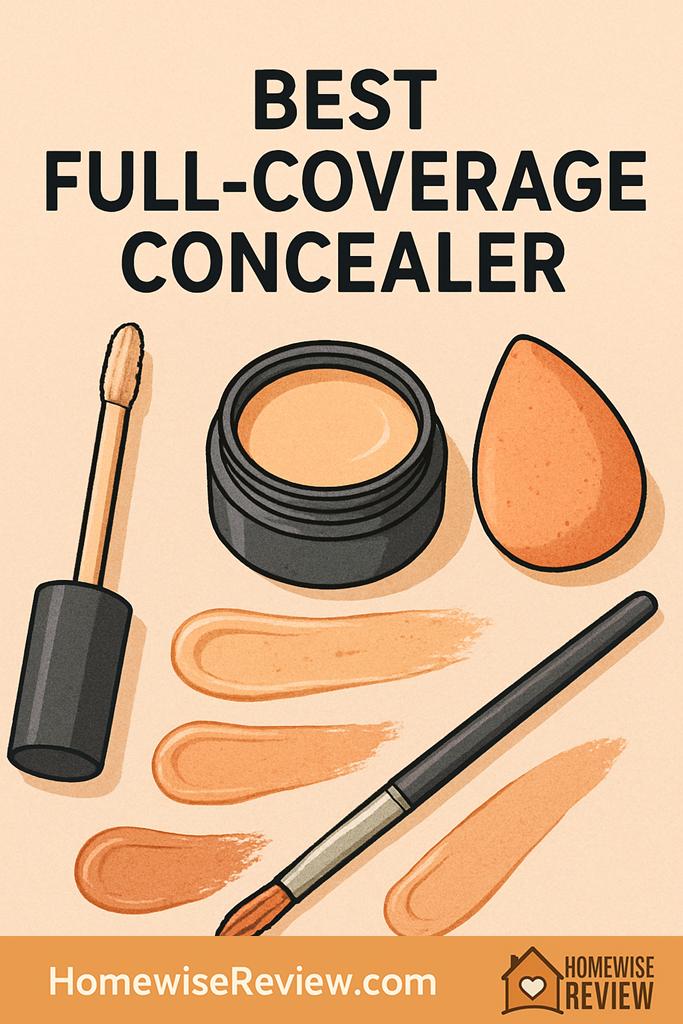
Full coverage is only “the best” if it actually lasts and still looks like skin in real life. These concealers are the most dependable options for covering dark circles, acne, and redness without constant touch-ups.
In-depth Reviews
Tarte Shape Tape Concealer
- Covers dark circles and redness with very little product
- Sets down for long wear with less slipping and transfer
- Builds without immediately turning patchy
- Can look dry or heavy if you apply too much
- Needs quick blending once applied
NARS Soft Matte Complete Concealer
- Excellent spot coverage that stays put on active breakouts
- Easy to control placement for precise concealing
- Blends into foundation without creating a shiny patch
- Can cling to dry flakes if skin is not prepped
- Less “quick swipe” friendly than a wand concealer
Too Faced Born This Way Super Coverage Multi-Use Sculpting Concealer
- High coverage with a more skin-like finish than many matte options
- Blends quickly and layers well over foundation
- Works for both under-eyes and spot concealing
- Can crease if you apply a thick layer under the eyes
- Scent can be noticeable if you are fragrance-sensitive
Huda Beauty #FauxFilter Luminous Matte Concealer
- Very high pigment for dramatic brightening and coverage
- Sets to a clean finish that looks great on camera
- Holds up well when paired with targeted powder
- Can feel heavy if you use more than necessary
- Less forgiving on dry texture without proper prep
L’Oréal Paris Infallible Full Wear Concealer
- Strong coverage that competes with pricier options
- Wears well on areas prone to fading (chin, around nose)
- Great for spot concealing discoloration
- Can look dry if layered heavily
- Needs careful blending to avoid a visible edge
Buying Guide
Pro Tip: Full Coverage Without the Cake
Use “thin first, then tap more only where needed.” The biggest mistake with full-coverage concealer is treating it like foundation and spreading a thick layer everywhere. Instead, place a tiny amount on the deepest discoloration (inner corner for under-eyes, center of redness for blemishes), let it sit briefly, then tap to blend outward so the edges disappear.
Correct first when darkness is stubborn. If your under-eyes pull blue or purple, a peach or orange corrector under a skin-matching concealer often looks more natural than piling on extra concealer. The goal is less product overall, which means less creasing and less texture.
Set only where you move. Press a small amount of powder into creases (under-eye fold, sides of nose, smile lines) and leave the rest alone. If you want extra longevity, a light mist of setting spray after powder can help “melt” everything together so it looks less dry and more like skin.
💡 Editor’s Final Thoughts
Final verdict: Tarte Shape Tape Concealer is the top pick because it delivers consistently high coverage with the kind of set-and-stay wear you want for long days. If you mainly spot conceal and want the most natural-looking coverage on texture, NARS Soft Matte Complete Concealer is the smartest second pick.
See also
If you want a deeper dive into a true full-coverage staple, start with our Tarte Shape Tape concealer review and compare it to our lighter, everyday-friendly Maybelline Instant Age Rewind review.
- Concealers that actually cover blemishes (without sliding off)
- Best concealer picks for dry skin and flaky patches
- Gentle concealers for sensitive, reactive skin
Frequently Asked Questions ▾
What makes a concealer “full coverage” in real life?
Full-coverage concealers use a higher pigment load, so you need less product to neutralize darkness and discoloration. In practice, the best ones also set with enough grip to stay put, but still blend smoothly so you do not see a thick edge where concealer meets bare skin. If a concealer covers well but breaks apart around the nose, chin, or under-eyes within a couple of hours, it is not truly performing as full coverage.
How do I keep full-coverage concealer from looking cakey under my eyes?
Use less than you think, and apply it where you need it most, usually the inner corner and the deepest shadow. Let it sit for a short moment, then tap to blend so you keep coverage while softening texture. Set strategically: press a tiny amount of powder only where you crease, and leave the outer under-eye more “skin-like” if you tend to get dryness. If you are dry, prioritize hydration and a thinner layer over more powder.
Should I choose a lighter shade for brightening, or an exact match?
For spot concealing, choose the closest match to your skin so the covered area disappears. For under-eyes, a slightly lighter shade can brighten, but going too light often turns gray in photos or emphasizes texture. A reliable approach is to match your skin for coverage first, then add a small touch of a brightening shade only at the inner corner if you want more lift. If your circles look blue or purple, a corrector under a skin-matching concealer usually looks more natural than using a very light concealer alone.
What is the best way to cover active acne with full coverage without cracking?
Prep matters more than people think: remove excess skincare slip, then spot conceal in thin layers. Use a small brush to place product directly on the redness, let it set slightly, then tap the edges only so you do not lift coverage off the center. If you need powder, press it on with a puff instead of sweeping, which can disturb the base and create separation. If a blemish is raised, keep the finish closer to matte so shine does not highlight texture.
As an Amazon Associate, we earn from qualifying purchases made through links on our site.